


-

Add: HeBei ShengShi HongBang Cellulose Technology CO.,LTD.
-

Email
13180486930@163.com -

CONTACT US
+86 13180486930
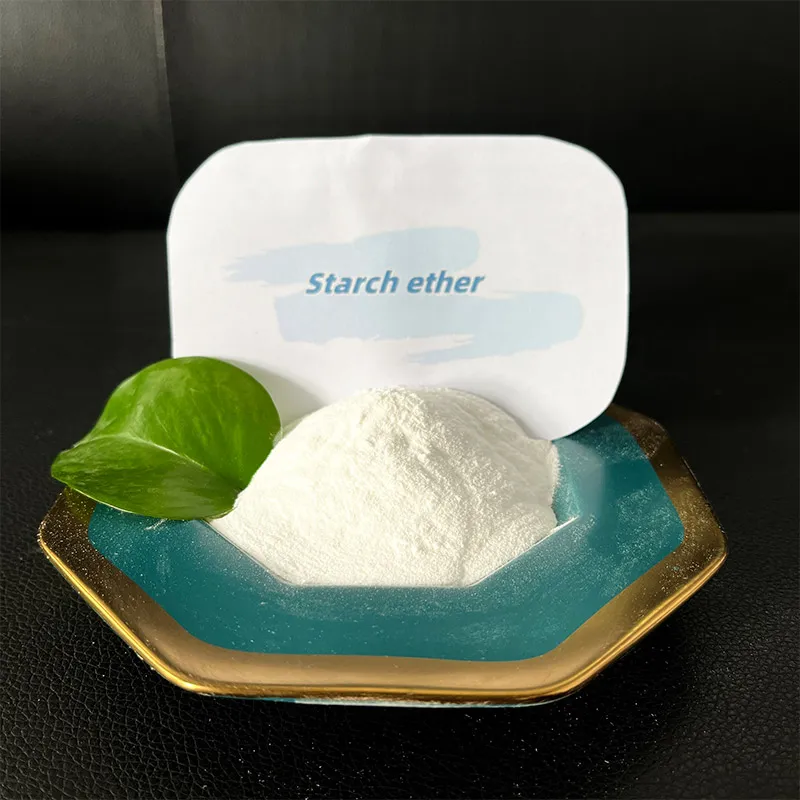
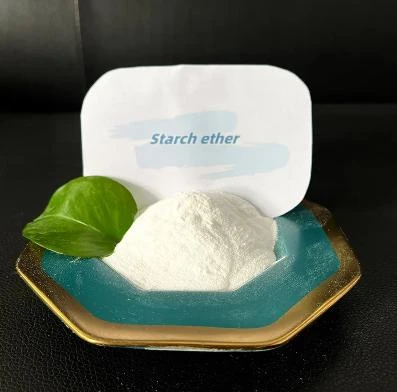
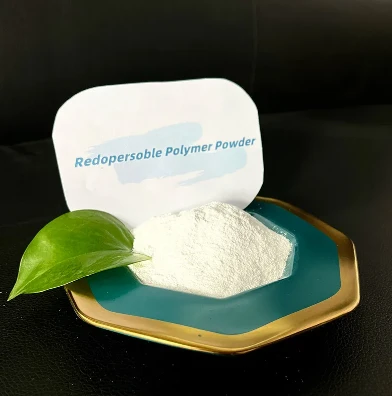


Unlocking Performance in Dry Mortar: The Advanced Role of Starch Ether In the dynamic landscape of modern construction, the performance of dry mortar formulations is paramount to achieving durable, high-quality, and aesthetically pleasing structures. Essential to this evolution are advanced chemical additives that enhance various properties of cement-based materials. Among these, starch ether stands out as a critical component, revolutionizing the workability, anti-sagging characteristics, and overall application efficiency of dry mix products. Derived from natural starch through a precise etherification process, this versatile polymer is specifically engineered to optimize the rheological properties of mortars, plasters, tile adhesives, and other construction materials. Its unique molecular structure allows it to effectively thicken, stabilize, and improve the thixotropy of fresh mixes, ensuring superior handling and reduced material waste on site. The demand for high-performance construction materials has propelled starch ether into the spotlight, making it an indispensable additive for formulators aiming to meet stringent industry standards and client expectations. Its ability to fine-tune the consistency of mortar, providing excellent sag resistance in vertical applications while maintaining ease of spreading, is unparalleled. This contributes significantly to faster project completion times and a higher quality finish. Furthermore, the inclusion of starch ether in formulations helps in mitigating common issues such as cracking and delamination, thereby extending the service life of structures. Understanding the intricate details of its manufacturing, technical specifications, and diverse applications is crucial for industry professionals seeking to leverage its full potential. Our comprehensive analysis delves into the technical prowess and strategic importance of this remarkable additive in the global construction chemical market. The Meticulous Manufacturing Process of Starch Ether The production of high-quality starch ether is a sophisticated multi-stage process, starting from carefully selected natural starches, typically potato, corn, or tapioca starch, chosen for their purity and consistent molecular structure. The initial step involves the gelatinization of the starch, where it is treated under controlled conditions to swell the granules and make the hydroxyl groups more accessible for subsequent chemical reactions. This prepares the starch for the crucial etherification process. During etherification, the starch slurry reacts with specific etherifying agents, such as ethylene oxide or propylene oxide, under precisely controlled alkaline conditions. This reaction introduces ether groups onto the starch backbone, thereby modifying its properties to achieve the desired performance characteristics in dry mortar applications. Following etherification, the raw starch ether product undergoes a series of purification steps to remove unreacted reagents, by-products, and salts, ensuring the final product's purity and stability. This typically involves neutralization, washing, and filtration processes. The purified starch ether solution is then subjected to a meticulous drying process, often spray drying or flash drying, to transform it into a fine, free-flowing powder. The drying parameters are critical to preserve the product’s integrity and solubility. Finally, the dried powder is milled to achieve the desired particle size distribution, which is vital for its rapid dissolution and consistent performance when mixed into dry mortar formulations. Throughout this entire manufacturing chain, stringent quality control measures are implemented at every stage, adhering to international standards such as ISO 9001, to guarantee the consistency, performance, and long service life of the starch ether , ensuring it meets the rigorous demands of the construction industry. Fig 1: Illustrative Diagram of Starch Ether Manufacturing Flow. Technical Specifications and Performance Parameters of Starch Ether Understanding the technical parameters of starch ether is fundamental for formulators to optimize dry mortar performance. Key specifications define its physical and chemical properties, directly impacting its functionality within a composite system. The appearance, typically a white or off-white free-flowing powder, indicates proper processing and purity. Moisture content is critical, with lower values ensuring better stability and storage. The pH value, usually in the slightly alkaline range, reflects its compatibility with cementitious binders. Particle size distribution significantly influences dissolution rate and dispersion in the mix; finer particles generally dissolve faster and provide more uniform effects. Viscosity, measured in aqueous solution, is a crucial indicator of its thickening efficiency, although its primary role is not viscosity enhancement but rather rheology modification and anti-sagging. Dosage recommendations are typically low, ranging from 0.01% to 0.05% by weight of dry mortar, showcasing its high efficiency. Even at these minute concentrations, starch ether profoundly influences properties like open time, workability, and sag resistance. The ash content, representing inorganic impurities, should be minimal to ensure product purity. Rigorous testing protocols, often adhering to industry standards like ASTM or EN, are employed to verify these parameters, ensuring that each batch of starch ether consistently delivers the promised performance. These precise specifications empower manufacturers to achieve optimal formulation design, leading to superior final product performance and reliability in diverse construction applications, from standard masonry mortars to high-performance tile adhesives. Typical Technical Parameters of Starch Ether (Standard Grade) Parameter Unit Value Range Testing Method / Remark Appearance - White or off-white powder Visual Inspection Moisture Content % ≤ 8.0 ASTM D1348 pH Value (1% solution) - 7.0 - 9.0 Standard pH Meter Particle Size (passing 80 mesh) % ≥ 98.0 Sieve Analysis Viscosity (2% solution, mPa.s) mPa.s 50 - 300 (or as specified) Rotational Viscometer Ash Content % ≤ 10.0 Gravimetric Method Bulk Density g/L 300 - 500 Tapped Density Test Fig 2: Starch Ether: A Key Additive for Enhanced Dry Mortar Performance. Diverse Applications and Unmatched Advantages in Dry Mortar The versatility of starch ether makes it an indispensable additive across a broad spectrum of dry mortar applications, fundamentally enhancing the performance and applicability of these materials. Its primary strength lies in its ability to significantly improve the rheological properties of fresh mortar, making it easier to apply and manipulate. In traditional masonry mortars and renders, it provides excellent anti-sagging properties, preventing the mortar from slumping on vertical surfaces, which is crucial for uniform layer thickness and reduced material wastage. This improvement in thixotropy allows for thicker application layers without slippage, increasing efficiency on construction sites. For self-leveling compounds, starch ether contributes to improved flow and leveling characteristics, ensuring a perfectly smooth and even surface. Crucially, in starch ether in tile adhesive formulations, its benefits are particularly pronounced. It enhances the mortar's open time, allowing installers more flexibility to adjust tiles before the adhesive sets, which is vital for complex tiling patterns and large format tiles. Concurrently, it improves wetting of the tile back, ensuring optimal bond strength and preventing 'hollow spots' which can lead to tile failure. The addition of starch ether also contributes to superior crack resistance in the hardened mortar, absorbing stress and minimizing shrinkage cracks, thereby extending the lifespan of the tiled surface. Beyond these, its application extends to external wall insulation systems (ETICS) adhesives, joint fillers, and repair mortars, where it consistently delivers improved workability, sag resistance, and enhanced adhesion, even under challenging environmental conditions. This broad applicability underscores its value as a multi-functional additive for modern construction. Fig 3: Starch Ether optimizing various dry mortar applications. Comparative Analysis and Tailored Solutions While starch ether is a powerful rheology modifier, it often works synergistically with other additives to achieve optimal performance in dry mortar formulations. A common comparison is made with cellulosic ethers like HPMC (Hydroxypropyl Methylcellulose) and redispersible polymer powders (RDP). HPMC primarily contributes to water retention and thickening, significantly influencing setting time and overall viscosity. Starch ether , on the other hand, excels in improving anti-sagging properties, enhancing workability, and facilitating easier trowelability without excessive stickiness, even at low dosages. RDPs are crucial for enhancing adhesion, flexibility, and waterproofing. The strategic combination of these additives allows formulators to create highly customized dry mortar products tailored to specific application requirements and climatic conditions. Our expertise lies not just in providing premium starch ether , but also in offering comprehensive technical support and customized formulation guidance. We understand that a "one-size-fits-all" approach is rarely sufficient in the complex world of construction chemicals. Therefore, we collaborate closely with our clients to analyze their specific performance targets, regional standards (e.g., EN 1348 for tile adhesives, ASTM C270 for mortar), and raw material availability. Through detailed laboratory testing and application trials, we assist in developing bespoke solutions that integrate starch ether optimally with other components, ensuring peak performance. This tailored approach not only maximizes the efficiency of the additive but also helps clients achieve cost-effective and superior end products, distinguishing them in a competitive market. Comparative Performance of Key Dry Mortar Additives Property / Additive Starch Ether HPMC Redispersible Polymer Powder (RDP) Anti-Sagging / Thixotropy Excellent Good Limited Workability / Trowelability Significantly Improved Improved Moderate Water Retention Limited (Synergistic) Excellent Limited Adhesion Strength Improved (Synergistic) Moderate Excellent Open Time Extension Good Excellent Moderate Cost-Effectiveness (per function) Very High Medium Medium to High Fig 4: Tailored Starch Ether solutions for specific dry mortar challenges. Understanding Starch Ether Price and Market Dynamics The starch ether price is influenced by a complex interplay of factors, including the cost and availability of raw materials (natural starch), energy costs for processing, production scale, technological advancements, and global supply-demand dynamics. As a specialty chemical, fluctuations in agricultural commodity prices can indirectly affect its cost. Manufacturers employing advanced, efficient production technologies can often offer more competitive pricing while maintaining high quality. The market for dry mortar additives, including starch ether , is experiencing robust growth, driven by increasing urbanization, infrastructure development, and a rising preference for pre-mixed, ready-to-use construction materials due to their consistency and labor-saving benefits. This growing demand, particularly in emerging economies, helps stabilize market prices but can also lead to upward pressure during periods of high demand or supply chain disruptions. When evaluating starch ether price , it is crucial for B2B buyers to consider the overall value proposition rather than just the per-kilogram cost. The extremely low dosage rates required to achieve significant performance improvements mean that the cost per unit of finished mortar is minimal. A higher-quality starch ether , even if marginally more expensive per kg, can lead to superior end-product performance, reduced callbacks, and enhanced brand reputation, ultimately offering a better return on investment. Furthermore, reliable supply, consistent quality, and technical support from a reputable supplier contribute significantly to the total cost of ownership. We maintain transparent pricing strategies and work diligently to provide competitive rates, ensuring our clients receive a cost-effective solution without compromising on the quality or performance of their dry mortar products. Our extensive service network and strategic partnerships allow for consistent supply chains, mitigating price volatility and ensuring on-time delivery. Fig 5: Key factors influencing Starch Ether market dynamics and pricing. Ensuring Trustworthiness: Quality Assurance, Support, and Customer Success Trust is the cornerstone of any successful B2B partnership, especially in the supply of critical raw materials like starch ether . Our commitment to trustworthiness is reflected in our rigorous quality assurance protocols that extend from raw material procurement to final product delivery. Every batch of starch ether undergoes extensive testing in our state-of-the-art laboratories to ensure it meets our published specifications and international standards, including adherence to relevant parts of ISO 9001 quality management systems and CE certification for specific applications in the EU market where applicable. We provide comprehensive Certificates of Analysis (CoA) with each shipment, detailing the specific parameters of the delivered product. Our production facilities are equipped with advanced control systems to maintain consistent process conditions, guaranteeing product uniformity and reliable performance for our clients. Beyond product quality, our dedication to customer success is evident in our robust support infrastructure. We offer flexible delivery schedules tailored to our clients' production demands, with typical lead times clearly communicated and adhered to. Our standard warranty covers product integrity and performance as per specifications. In the unlikely event of any issues, our dedicated technical support team is readily available to provide immediate assistance, troubleshooting, and expert guidance. We believe in building long-term relationships, demonstrated by our consistent re-engagement with long-standing partners and a proactive approach to understanding their evolving needs. Successful case studies span across various regions and applications, with clients consistently reporting enhanced product performance, reduced production complexities, and improved overall profitability due to the reliable quality and performance of our starch ether . Fig 6: Comprehensive Quality Control for Starch Ether production. Frequently Asked Questions (FAQ) about Starch Ether Q1: What is the recommended dosage of starch ether in dry mortar? A1: The optimal dosage of starch ether typically ranges from 0.01% to 0.05% by weight of the dry mortar mixture. However, this can vary based on the specific formulation, desired performance characteristics, and the type of other additives used. We recommend conducting preliminary trials to determine the ideal dosage for your particular application. Q2: How does starch ether improve the workability of dry mortar? A2: Starch ether significantly improves workability by modifying the rheology of the fresh mortar. It enhances lubricity, making the mortar smoother and easier to spread and trowel. It also reduces stickiness, preventing tools from dragging and improving the overall handling experience for applicators. Q3: Is starch ether compatible with other common dry mortar additives like HPMC and RDP? A3: Yes, starch ether is highly compatible and often used in conjunction with other additives such as HPMC (Hydroxypropyl Methylcellulose) and Redispersible Polymer Powder (RDP). It creates a synergistic effect, enhancing properties like anti-sagging, workability, water retention, and adhesion strength more effectively than any single additive could achieve alone. Q4: What are the storage requirements for starch ether? A4: Starch ether should be stored in a cool, dry place, away from direct sunlight and moisture. It is advisable to keep it in its original sealed packaging to prevent moisture absorption and ensure a longer shelf life. Properly stored, it typically has a shelf life of 12-24 months. Q5: Can starch ether be used in tile adhesives for exterior applications? A5: Absolutely. Starch ether in tile adhesive formulations is particularly beneficial for exterior applications. It improves the sag resistance of the adhesive, preventing tiles from slipping on vertical surfaces, and enhances the overall bond strength and flexibility when combined with RDP, ensuring durability even under varying environmental conditions and temperature fluctuations. Conclusion: The Future of Dry Mortar with Starch Ether As the construction industry continues to seek higher performance, greater efficiency, and improved sustainability, the role of advanced additives like starch ether becomes increasingly critical. Its proven ability to optimize the rheological properties of dry mortar formulations delivers tangible benefits: from enhanced workability and superior anti-sagging characteristics to extended open times and improved adhesion. These advantages translate directly into increased productivity on construction sites, reduced material waste, and the creation of more durable, high-quality structures. By understanding its intricate manufacturing process, leveraging precise technical parameters, and appreciating its synergistic potential with other additives, manufacturers can unlock new levels of performance in their products. Our commitment goes beyond merely supplying starch ether ; we aim to be a strategic partner, offering in-depth technical expertise, customized solutions, and unwavering support to help our clients navigate the complexities of dry mortar formulation. By providing transparent pricing, ensuring consistent quality through stringent controls, and maintaining robust supply chains, we build lasting trust and contribute to our customers' long-term success. The strategic integration of starch ether is not just an additive choice; it's an investment in the future of high-performance construction materials, ensuring that modern building projects achieve unparalleled levels of quality and efficiency. Authoritative References Ramachandran, V. S. (1995). Concrete Admixtures Handbook: Properties, Science, and Technology. Noyes Publications. Knofel, D. (2007). Handbook for Cement and Concrete. Verlag Bau+Technik GmbH. Standard Practice for Application of Latex-Modified Concrete (LMC) Overlay, ASTM C881/C881M. European Standard EN 1348: Adhesives for tiles - Determination of tensile adhesion strength for cementitious adhesives. U.S. Patent 6,051,664: Starch ethers and their use in construction materials.
- 40000tons

Production
- 20+years

Experience
- 5000+㎡

Acreage

-
The demand for high-quality rubber products has never been higher, driven by advancements in manufacturing, sustainability, and innovation. One such product that is gaining significant attention is rubber powder for sale . This versatile material, derived from recycled rubber, is being used across a wide array of industries, including construction, automotive, and sports. Its growing popularity is not just about its functionality but also its environmental benefits, as it promotes the recycling of rubber waste into valuable raw materials. In this article, we will explore the importance of rubber powder for sale and its many applications, as well as highlight some of the specialized rubber products such as rubber accelerator free gloves , micronized rubber powder , and natural rubber powder that are contributing to a greener future. The Advantages of Using Rubber Powder for Sale in Various Industries Rubber powder for sale is a product that offers incredible versatility, used in applications ranging from asphalt production to the manufacturing of high-performance sports surfaces. As a sustainable and eco-friendly material, rubber powder for sale is primarily sourced from used tires and other rubber waste products. By recycling rubber into powder form, this material can be easily integrated into a wide range of manufacturing processes. One of the key benefits of rubber powder for sale is its role in enhancing the durability and flexibility of materials. In asphalt, for example, rubber powder can be blended into mixtures to improve the road’s resilience, longevity, and resistance to weathering. This not only contributes to better infrastructure but also plays a role in reducing the amount of waste rubber that would otherwise end up in landfills. Additionally, rubber powder for sale is used in the production of playground surfaces, sports tracks, and flooring materials. Its shock-absorbing properties ensure that these surfaces are safe, durable, and long-lasting. With growing concerns over environmental sustainability, utilizing rubber powder for sale in these applications offers a solution to both waste management and product innovation. The Rising Popularity of Rubber Accelerator Free Gloves in Industrial Applications For industries that require personal protective equipment (PPE), rubber accelerator free gloves are becoming an increasingly popular choice. These gloves are made from rubber compounds that do not use chemical accelerators during the manufacturing process, making them safer for workers with sensitive skin and reducing exposure to harmful substances. As the demand for environmentally friendly products grows, rubber accelerator free gloves are gaining traction due to their non-toxic nature and hypoallergenic properties. The key advantage of rubber accelerator free gloves lies in their ability to maintain the same performance levels as traditional gloves without the risks associated with accelerator chemicals. These gloves offer excellent elasticity, durability, and resistance to abrasions, ensuring that workers are protected in environments where they handle chemicals, medical instruments, or machinery. In addition to the health and safety benefits, rubber accelerator free gloves are also favored for their environmentally friendly composition. As industries continue to prioritize sustainability, the switch to rubber accelerator free gloves offers a safer and greener alternative to traditional rubber-based PPE products. The Role of Micronized Rubber Powder in Enhancing Product Performance Micronized rubber powder is a finely ground form of rubber that offers a range of performance-enhancing benefits for various products. This ultra-fine powder is produced by grinding rubber down to micron sizes, which significantly increases its surface area and allows it to be incorporated more effectively into different materials. The benefits of micronized rubber powder are numerous, especially in applications where durability, elasticity, and impact resistance are key considerations. One of the most common uses of micronized rubber powder is in the production of high-performance coatings, sealants, and adhesives. The finely ground powder improves the elasticity and durability of these products, allowing them to withstand harsh environmental conditions such as extreme temperatures and moisture. It is also used in rubber compounds to improve the overall flexibility and resilience of the material. In addition, micronized rubber powder is increasingly being incorporated into the manufacturing of tires, flooring materials, and automotive components. By enhancing the rubber’s strength and flexibility, micronized powder can contribute to longer-lasting and more reliable products. Furthermore, it can be used to reduce costs in production by replacing a portion of more expensive raw materials, all while contributing to sustainability efforts by using recycled rubber. Natural Rubber Powder: A Sustainable Option for Eco-Friendly Manufacturing As industries seek to reduce their environmental footprint, natural rubber powder has emerged as a sustainable option for a wide range of applications. This powder is derived from natural rubber, making it a renewable resource that can be used in products that require high elasticity and durability. The use of natural rubber powder is particularly important in industries such as construction, automotive, and footwear, where the material’s superior properties are highly valued. One of the key benefits of natural rubber powder is its ability to provide excellent flexibility and strength without the use of synthetic additives. This makes it an ideal choice for manufacturing products that need to maintain their shape and integrity over time, such as automotive seals, gaskets, and hoses. By utilizing natural rubber powder , manufacturers can create eco-friendly products that offer the same performance as their synthetic counterparts while minimizing their impact on the environment. R ubber powder for sale , along with specialized products such as rubber accelerator free gloves , micronized rubber powder , and natural rubber powder , is transforming industries by providing sustainable, eco-friendly solutions that enhance performance and reduce environmental impact. As the world continues to prioritize sustainability, these rubber products are becoming essential components in a wide range of applications, from construction to personal protective equipment. By embracing rubber powder for sale and its various forms, industries can reduce their reliance on virgin materials, minimize waste, and create products that offer superior performance and durability. Whether it’s for improving road surfaces, producing high-quality gloves, or enhancing rubber compounds, these innovative rubber products are paving the way for a greener, more sustainable future.
-

The HPMC Logo A Symbol of Innovation and Quality In today's dynamic world, a logo is more than just a collection of shapes and colors; it represents the identity and values of a brand. One such logo that encapsulates innovation and quality is the HPMC logo. HPMC, which stands for Hydroxypropyl Methylcellulose, is a material that has found its place in various industries, from pharmaceuticals to construction. The logo symbolizes not only the product but also the ethos of the company behind it. The HPMC logo is designed with careful consideration of its messaging. The choice of colors reflects both professionalism and reliability, with shades that evoke a sense of trustworthiness. Blue, often used in corporate branding, suggests stability and depth, while green resonates with health and sustainability. These colors work together to create a visual identity that appeals to both consumers and industry professionals. . The functional aspects of HPMC are also reflected in its logo. Known for its versatility, HPMC is widely used in applications such as adhesives, paints, and pharmaceuticals. The logo communicates this multi-faceted usage through its simple yet sophisticated design. The streamlined appearance suggests efficiency and performance—a nod to the product's ability to enhance formulations and provide superior results across diverse applications. hpmc logo Moreover, the HPMC logo signifies quality assurance. A well-designed logo helps to build consumer confidence, and HPMC’s branding does just that. When potential customers see the HPMC logo, they immediately associate it with high standards and consistent performance. This connection is built on years of reliable product performance and customer satisfaction. Thus, the logo acts as a promise of quality, assuring users that they are making a wise choice in selecting HPMC-based products. In addition to its visual elements, the HPMC logo embodies the brand's commitment to sustainability. In a world increasingly focused on environmental responsibility, the logo promotes the idea that HPMC products can help create sustainable solutions. The incorporation of green within the logo hints at the eco-friendly aspects of HPMC, highlighting that it is derived from naturally occurring cellulose. This reinforces the notion that consumers can choose products that are not only effective but also environmentally friendly. The HPMC logo also plays a vital role in brand recognition. In a cluttered marketplace filled with countless products, having a recognizable logo can set a brand apart from its competitors. When consumers see the HPMC logo, they know they are encountering a product with a solid reputation. This recognition is crucial, as it aids in developing brand loyalty and repeat business. A strong brand identity, as represented by the HPMC logo, is instrumental in sustaining long-term success. Moreover, the logo serves as a bridge between the company and its customers. It invites dialogue and engagement, making it easier for consumers to connect with the brand. Whether displayed on packaging, marketing materials, or promotional events, the HPMC logo fosters a sense of belonging among its users. It creates a community of like-minded individuals who value quality and innovation, further enhancing the brand’s reach. In conclusion, the HPMC logo is more than just a visual identifier; it is a powerful symbol that encapsulates the essence of the brand. It stands for innovation, quality, versatility, and sustainability. In an ever-evolving market, the HPMC logo serves as a beacon of trust and reliability, attracting consumers and businesses alike. As HPMC continues to grow and adapt to new challenges, its logo will undoubtedly remain a central part of its identity, representing a commitment to excellence and an unwavering dedication to its customers.
advantages
-

200000 Viscosities
Excellent product
We can produce pure products up to 200,000 viscosities
-

40000 tons
High yield
We don’t stop production all year round, and the annual output can reach 40,000 tons
-

24 hours
Quality service
We provide 24-hours online reception service, welcome to consult at any time
———— Inquiry Form
Schedule A services
-
 hydroxypropyl_methylcellulose_in_cosmetics
Oct . 25, 2025
Hydroxypropyl Methyl Cellulose HPMC is a highly versatile cellulose ether widely used in various ind -
 fibra_de_hormigon_de_polipropileno
Oct . 25, 2025
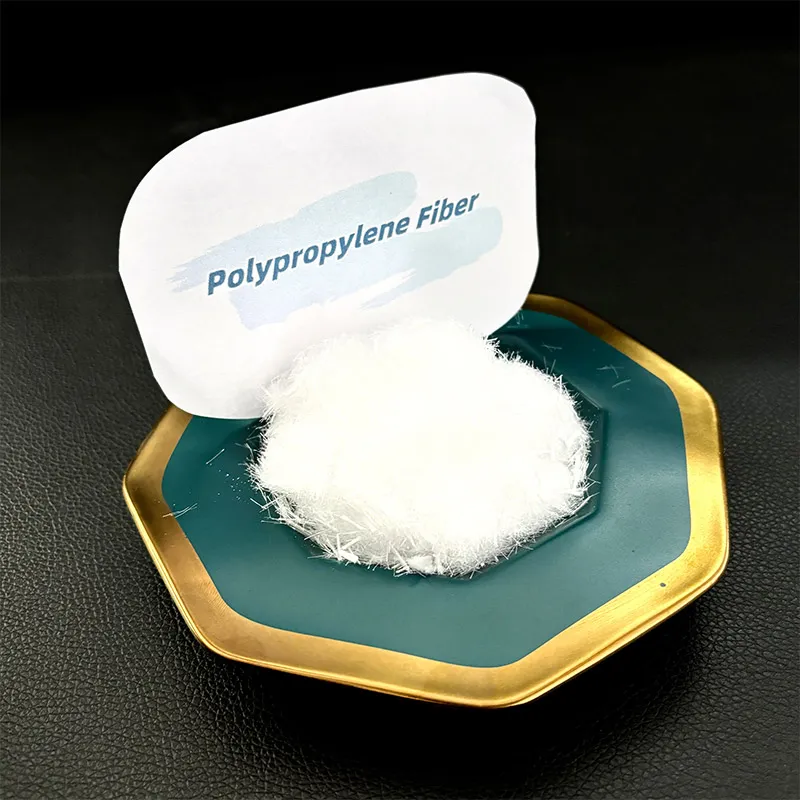
The Role of Manufacturers in the Production of PP Fiber Polypropylene (PP) fiber has gained signific -
 hydroxypropyl_methyl_cellulose_phthalate
Oct . 25, 2025
Starch ether has emerged as an innovative and pivotal component in the construction industry, revolu


